When families first step into home education, it can feel natural to try and recreate school at home. A timetable, a desk, worksheets… it feels safe, familiar, and structured. But here’s the secret most veteran home educators will tell you: the early years don’t need to look anything like school.
Instead, they can—and should—be full of play.
Play isn’t “just fun.” It’s the way children learn best. When we give our little ones space to explore, create, imagine, and move, we’re giving them the foundation for a lifelong love of learning. As John Holt, often called the father of modern homeschooling, said: “Children learn from anything and everything they see. They learn wherever they are, not just in special learning places.”
Research consistently shows that play develops crucial skills in the early years. The American Academy of Pediatrics has even described play as “essential to the social, emotional, cognitive, and physical well-being of children.”
Whether it’s problem-solving through building blocks, experimenting with balance on a log, or role-playing with a sibling, children are learning without even realising it.
Play fosters:
These are the very skills formal schooling often tries to teach later—yet children naturally develop them through play if we give them the freedom.
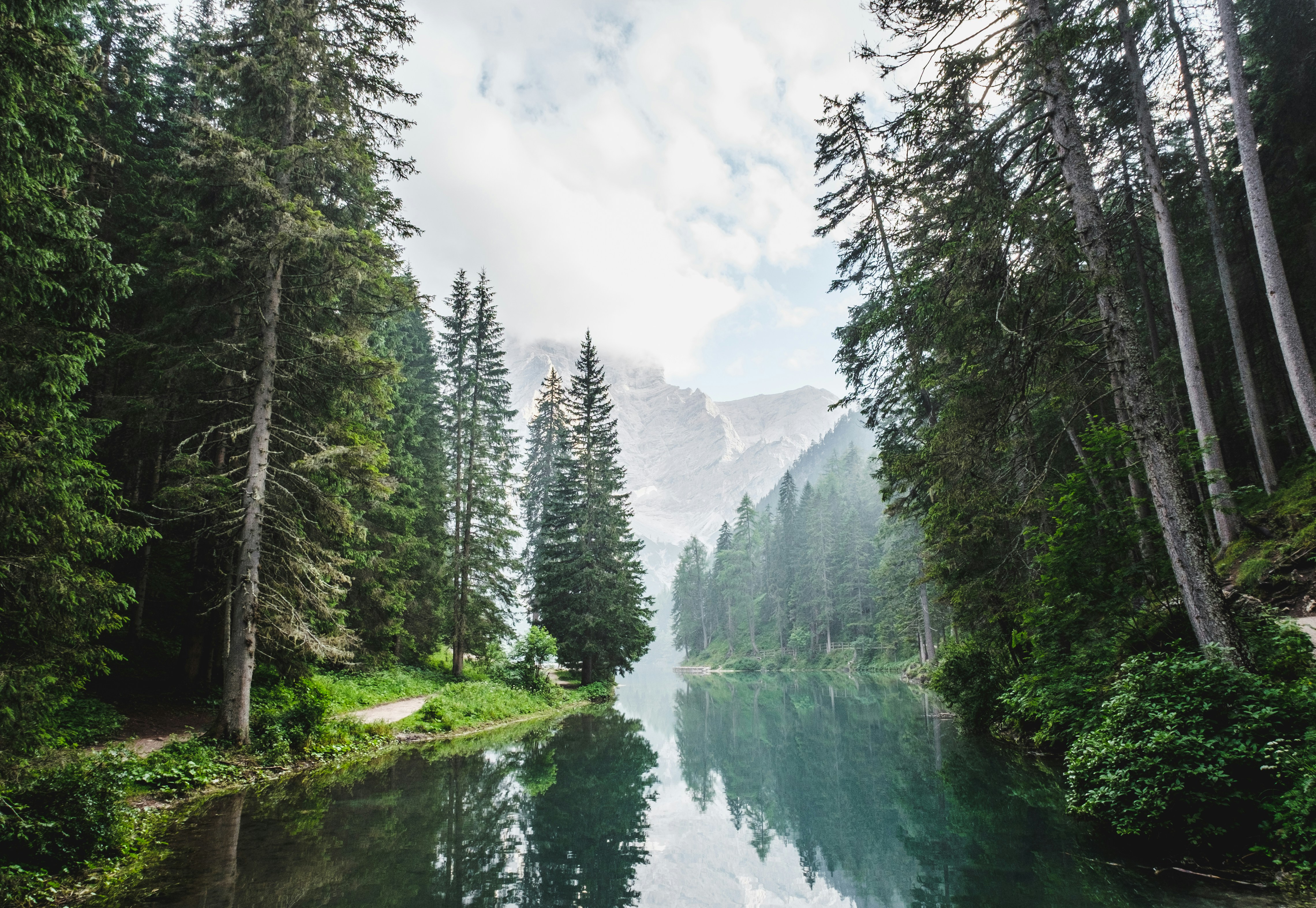
If there’s one thing I always recommend for early years, it’s this: get outside. Nature is the best classroom there is.
Climbing trees builds strength and coordination. Collecting leaves or pebbles introduces sorting, categorising, and early maths. Watching ants at work sparks scientific curiosity. And perhaps most importantly, being outside grounds children—it calms busy minds, resets moods, and gives them space to thrive.
Richard Louv, author of Last Child in the Woods, wrote: “The more high-tech our lives become, the more nature we need.” Our children don’t just benefit from time outdoors—they flourish.
Nature also has a wonderful rhythm of its own. The changing seasons offer endless opportunities for exploration, stories, and creativity. Children notice these patterns instinctively when they spend time outdoors, and those rhythms naturally become part of your home education.
Young children don’t learn best by filling in worksheets or memorising facts. They learn through doing. Measuring flour for bread, digging in the garden, building a den, or mixing colours with paint all offer rich, hands-on experiences.
Through these activities, children aren’t just keeping busy—they’re developing fine and gross motor skills, understanding cause and effect, and practising problem-solving. They’re learning to ask questions, to hypothesise, to test their ideas—all the building blocks of real education.
As Holt also said: “We learn to do something by doing it. There is no other way.”
The beauty of home education is that you’re free to create the atmosphere you want in your home. That rhythm doesn’t have to look like a school timetable—it can look like slow mornings, nature walks, story time, baking days, or seasonal celebrations.
The key is to build a flow that works for your family. Maybe you have “nature days,” where you explore the outdoors. Maybe mornings are for crafts and afternoons for free play. Maybe every Friday becomes “exploration day.” Whatever rhythm feels right, play is the thread that holds it all together.
If you’re new to home ed, take this as your permission slip: you don’t need to recreate school at home. In fact, you’ll likely see your child flourish when you don’t. Let play be at the heart of your early years. Let curiosity, nature, and hands-on exploration guide you.
When I first started out, I didn’t have a curriculum. I simply followed my children’s lead, noting down what we did, what sparked their curiosity, and what helped us create the rhythm we wanted as a family. Over time, I saw how much of our best learning happened outdoors, and how nature gave us that sense of grounding and wonder we needed.
I even began a little nature playgroup, where other families joined us to explore the seasons together. From those beginnings, I slowly developed what has become my Rooted: A Year in Nature curriculum — 38 complete lesson plans that are simple, open-and-go, and designed to weave play, nature, and hands-on exploration into your days.
For families who feel drawn to an even deeper, more ancient connection with the rhythms of the earth, I also created Circle of Seasons. This isn’t a set of lesson plans but rather a journey through the wheel of the year—48 activities and learning opportunities linked to pagan celebrations and the cycles of nature. It’s about living the seasons, not just studying them.
Both resources grew out of real moments with my own children—muddy boots, pocketfuls of conkers, stories read under trees, and crafts scattered across the kitchen table. They’re not about ticking boxes; they’re about building an atmosphere where learning feels alive, joyful, and deeply rooted in the world around us.
The early years of home education don’t need rigid timetables or desks. They need play. They need wonder. They need space for your child to discover the world in their own time and in their own way.
So, go outside. Collect acorns. Build a den. Bake some bread. Read stories under a tree. Those are the moments that matter—and they’re the ones your child will carry with them for life.
Leave a gentle note 🌿